
English| USD
Suggested for you
More currencies
Choose a language
San Basilio de Palenque sits inland from the Caribbean coast, in the municipality of Mahates, Bolívar, and most visitors reach it on a half-day run out of the walled city. This Cartagena Colombia Palenque guide sets out what a day tripper actually needs: when to arrive, what the village is and is not, and how a visit is usually structured. The detail that matters most is timing.
Quick answer
A Palenque day trip from Cartagena works best with an arrival between 08:00 and 12:00, the window that avoids midday heat and leaves time for a half-day cultural visit. Entry costs 0 COP: San Basilio de Palenque is a living village in Mahates, Bolívar, not a gated attraction, and its streets stay open 00:00–23:59 every day. Guided access matters more than tickets.
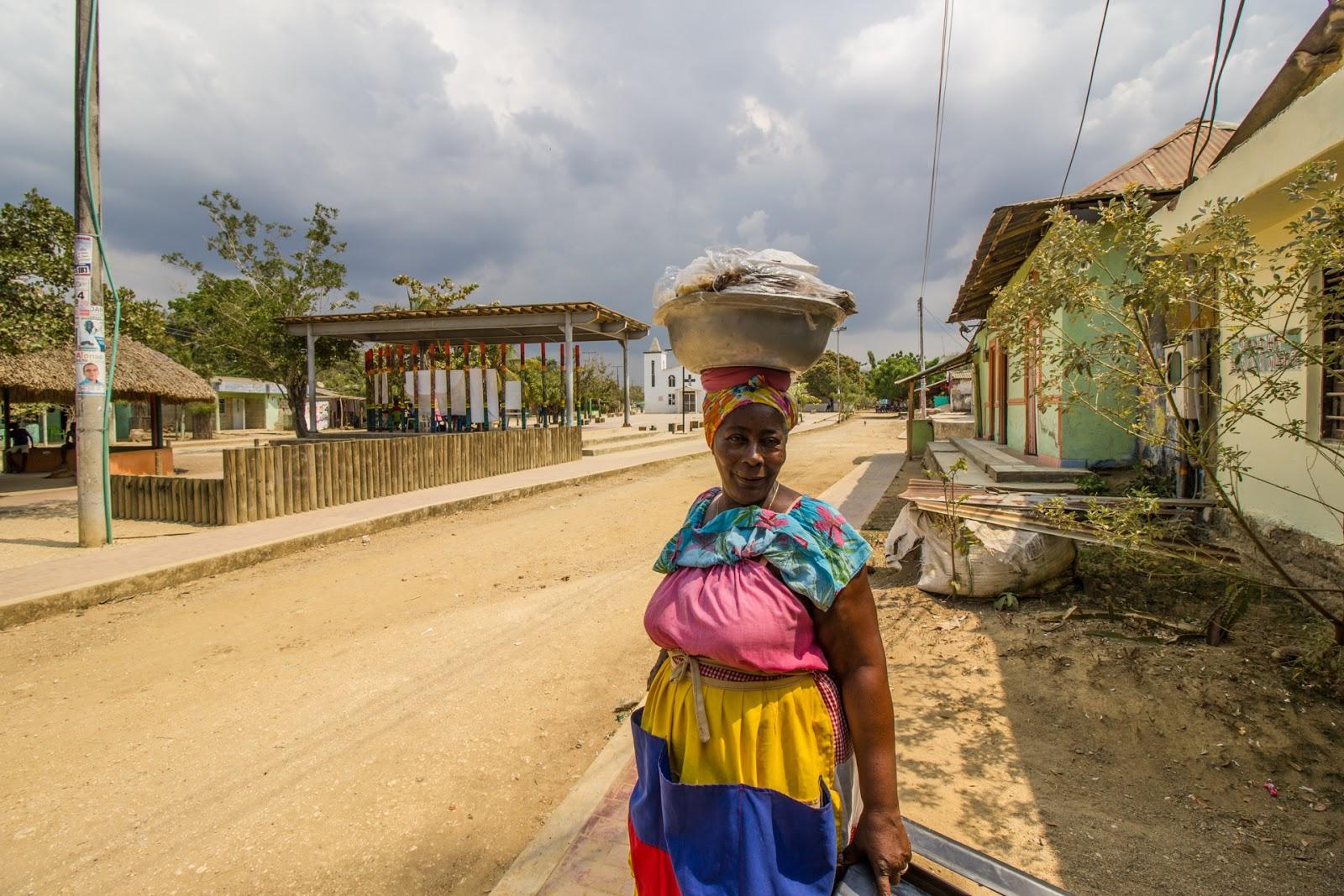
San Basilio de Palenque is the only place in the Americas where a Spanish-lexicon creole still carries Bantu grammar. Palenquero is spoken there alongside Spanish, taught in the village school, and listed by UNESCO as Intangible Cultural Heritage since 2005. The settlement was founded by Africans who escaped the slave port of Cartagena and fortified themselves in the foothills of the Montes de María under Benkos Biohó, whose statue stands in the main square. Spain eventually conceded the settlement's freedom by royal decree, which is why it is often described as the first free Black town in the Americas. That lineage is why a Cartagena Colombia Palenque tour is a cultural visit rather than a sightseeing stop. Day trippers leaving the walled city arrive in a working town, not a site with turnstiles. Houses line unpaved lanes, children walk to school, and the kuagro, the village's age-based social groups, still organise daily life. Tambor drums and champeta are not staged for arrivals, though drumming and dance demonstrations are often arranged in advance by local guides. The lumbalú, a funeral rite sung in Palenquero across several nights, belongs to the community and is not performance. The same women who sell fruit from enamel basins in Cartagena's plazas, the palenqueras, come from these streets. Most guided village tours from Cartagena are built as half-day visits, which is why the morning window of 08:00–12:00 shapes nearly every itinerary: the heat inland sits heavier than on the coast, and the village winds down by early afternoon. The practical consequence is that a visit here is organised around people, not tickets. Access to the village is free and unticketed, so what a day tripper actually arranges is transport, a Spanish- or English-speaking guide, and introductions: the drum teachers, the hair-braiding patios, the Benkos Biohó square, the small museum of Palenquero memory. Independent arrivals are possible, but visitors who come unaccompanied often spend the morning unsure where to walk and what may be photographed. A booked tour de Palenque desde Cartagena solves that by routing the day through residents who earn from it directly, which is the model the community has pushed for since its UNESCO listing. Readers comparing options will find logistics, timings, and conduct expectations laid out in the sections below; choosing a format for a Cartagena Colombia Palenque tour is the last step, not the first.
“Visitors are not touring a monument; they are entering a town where Palenquero is still the language of the street.”
The best arrival window is 08:00–12:00 to avoid the intense midday heat and maximize your time for a cultural tour. Arriving during this period ensures you experience the village activities while temperatures remain manageable for walking.
—
Quiet periods allow for more personal interaction with community members during guided activities.
High heat, 30°C to 33°C
Clear skies provide reliable conditions for exploring the village square and historical sites.
Humid, 28°C to 31°C
Rain showers occur frequently but typically pass quickly, offering cooler temperatures after rainfall.
Verdict: For the most comfortable experience, plan your visit for a weekday morning between December and April.
San Basilio de Palenque is located approximately 60 kilometers southeast of Cartagena in the municipality of Mahates. The most direct approach for day trippers is by private vehicle or organized transport along the main highway.
Route 90 (Via La Cordialidad) to San Basilio de Palenque
Transporte Berlinas or Cootransbol from Cartagena Terminal to Mahates junction
Direct hire from Cartagena to San Basilio de Palenque
Plan to arrive between 08:00 and 12:00. Private transport should be arranged in advance as public buses often drop passengers at the main highway junction, requiring an additional motorcycle taxi ride into the village center.
San Basilio de Palenque is a living village and remains accessible to visitors at all times. While the community does not operate on a formal schedule, travelers should align their visits with daylight hours and local village life.
This plan suits day trippers arriving from Cartagena in the recommended 08:00–12:00 window, and runs roughly four to five hours on the ground in San Basilio de Palenque. Walking distances inside the village are short, so most of the time goes to conversation, music and food rather than transfers.
Step out at the central plaza beside the Benkos Biohó monument and meet your local guide. Allow 15 minutes for introductions and a shade break before walking.
Spend about 20 minutes at the statue of the runaway leader who founded the settlement, covering the village's origins as a free community. This is the main orientation point for everything that follows.
Roughly 40 minutes in the cultural house and small museum space, covering Palenquero language, oral history and the kuagro age-group system. Ask about the Palenquero words on the walls.
A 45-minute loop past painted house fronts, the church and the old community water points. Pavement is uneven in places, so wear closed shoes.
Allow an hour for live tambor, pechiche and marímbula playing, usually with a short dance demonstration. Sessions are led by resident musicians, so timing shifts with their schedule.
Around 45 minutes for a home-cooked meal, often rice, plantain and fish or stew. Say in advance if you need a vegetarian plate.
Finish with 20 to 30 minutes buying cocadas, alegrías and other coconut sweets from the palenqueras who sell them. Carry small cash notes, since change is limited.
Regroup at the plaza and leave before the afternoon heat peaks. Fill water bottles before you go, as options thin out on the road.
San Basilio de Palenque is a living village, not a gated attraction, so the people you meet are residents going about their day rather than staff. Day trippers arriving from Cartagena are guests in private streets and homes, and conduct shapes whether the community welcomes the next group.
Everything you need to know about cartagena colombia palenque tour
While you can travel independently, booking a cartagena colombia palenque tour provides essential historical context from local community members. Expert guides help interpret the linguistic and musical traditions of this first free town in the Americas.
The entrance fee is 0 COP because this is a living village rather than a gated attraction. You may choose to tip your local guide or purchase handmade crafts to support the community directly.
The best arrival window is 08:00–12:00 to avoid the intense midday heat. Arriving early ensures you have enough time to explore the village and engage with residents before the afternoon temperatures peak.
The village is open 00:00–23:59 daily, though a cartagena colombia palenque tour is most productive during daylight hours. Most cultural activities and social interactions occur between morning and late afternoon.
Yes, you can reach San Basilio de Palenque independently, but navigating local transit can be complex without a guide. A guided cartagena colombia palenque tour simplifies logistics and ensures respectful engagement with village elders and performers.
You should expect to walk on unpaved paths while learning about African diaspora history and the unique Palenquero language. Respectful visitors often participate in demonstrations of traditional drumming or culinary customs during their visit.