Palenque Colombia Tour
Visitor Guide

Is Palenque Worth Visiting

San Basilio de Palenque stands as the first free African town in the Americas, a living UNESCO heritage site where Palenquero language and centuries-old traditions persist in daily life. The question of whether to make the journey from Cartagena centers on what type of experience you seek and your willingness to engage with a community rather than a curated attraction.

10 min read Updated 2026-10-01 Fact-checked
Is Palenque Worth Visiting

Quick answer

Yes, Palenque is worth visiting for travelers interested in Afro-Colombian heritage, authentic cultural immersion, and living history. The village offers no admission gates or formal exhibitions—instead, you encounter a functioning community where residents maintain traditions dating to the 1600s, from Palenquero language to traditional medicine practices. The experience rewards those who approach with cultural sensitivity and genuine curiosity rather than expectations of a conventional tourist site.

San Basilio de Palenque operates without entrance fees because it is not an attraction—it is home to approximately 3,500 people whose ancestors escaped slavery in the 1600s and established autonomous communities in the Colombian interior. This distinction shapes every aspect of the visit and determines whether the Palenque experience aligns with your travel goals. The village earned UNESCO Intangible Cultural Heritage status in 2005 for preserving Palenquero, the only Spanish-based creole language in Latin America, alongside traditional boxing, herbal medicine, and the funeral tradition of lumbalú. These elements persist not as performances but as components of daily life. You will not find interpretive plaques or guided paths—the cultural immersion occurs through conversation with residents, observation of daily routines, and participation in activities like cooking demonstrations or music sessions when arranged in advance through local guides. Is Palenque worth visiting for every traveler? The honest answer depends on your priorities. Those seeking polished infrastructure, air-conditioned museums, or self-guided exploration will find the visit challenging. The village lacks formal tourism facilities, English signage is minimal, and meaningful engagement requires either Spanish proficiency or a guide who can facilitate cultural exchange. The two-hour drive from Cartagena on rural roads adds logistical complexity. The experience rewards a specific traveler profile: individuals interested in Afro-diasporic history, those comfortable with unstructured cultural encounters, and visitors who understand that supporting this community means spending money with local guides and artisans rather than external tour operators. When you purchase handmade sweets from street vendors or commission a demonstration of traditional hairstyling, you participate in the economic sustainability of a heritage site facing pressure from modernization. The visiting Palenque question ultimately asks what you value in cultural tourism. If witnessing a community that maintained African traditions for four centuries while surrounded by colonial society matters more than comfort or convenience, the journey delivers profound perspective unavailable in more conventional destinations. The village's significance lies not in what has been built for visitors but in what has been preserved despite centuries of external pressure.

“The village's significance lies not in what has been built for visitors but in what has been preserved despite centuries of external pressure.”
Timing

Determining If Is Palenque Worth Visiting Based on Timing

The most effective time to experience the cultural rhythm of San Basilio de Palenque is the arrival window of 08:00–14:00. Visiting during these hours ensures you observe the village at its most active, well before the transition to its quiet evening state.

Weekday mornings

Minimal

—

These hours provide the most authentic interactions with residents before the midday heat increases.

Dry Season (Dec–Mar)

Moderate

Dry and sunny, 25–32°C

Clear skies facilitate walking the village paths and exploring historical landmarks.

Wet Season (Apr–Nov)

Low

Humid with rain, 24–30°C

Expect periodic rainfall, though this season often coincides with local community gatherings.

Festival of Drums

High

Hot and humid, 26–33°C

Events in October draw visitors; plan for higher activity levels throughout the village.

Verdict: For the most balanced experience of daily life and community atmosphere, target an 08:00–14:00 arrival on a weekday during the dry season months of December through March.

What to see

Key Cultural Sites: Is Palenque Worth Visiting for History?

San Basilio de Palenque offers a direct connection to African heritage through its community-centered monuments and traditional gathering spaces. These sites illustrate the village's identity as the first free town in the Americas.

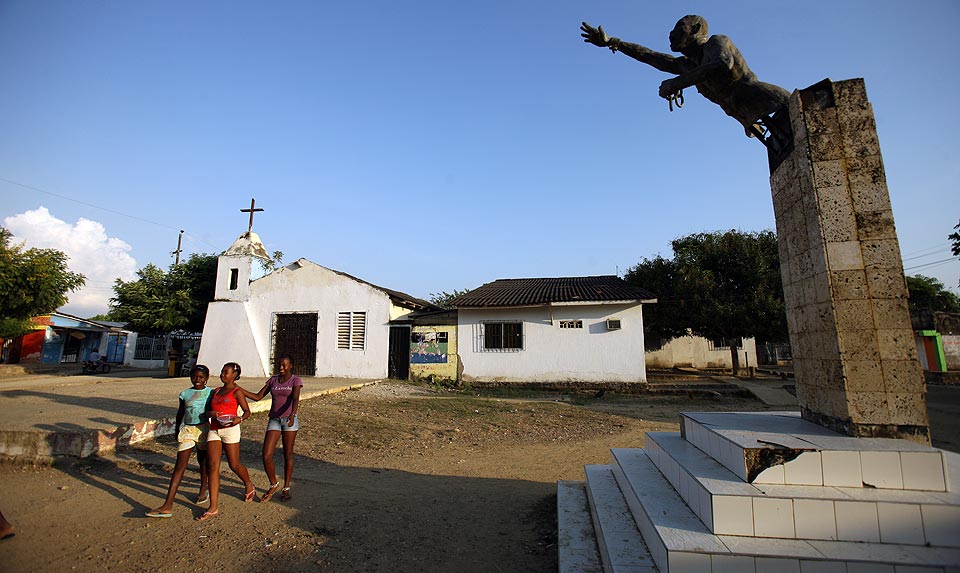
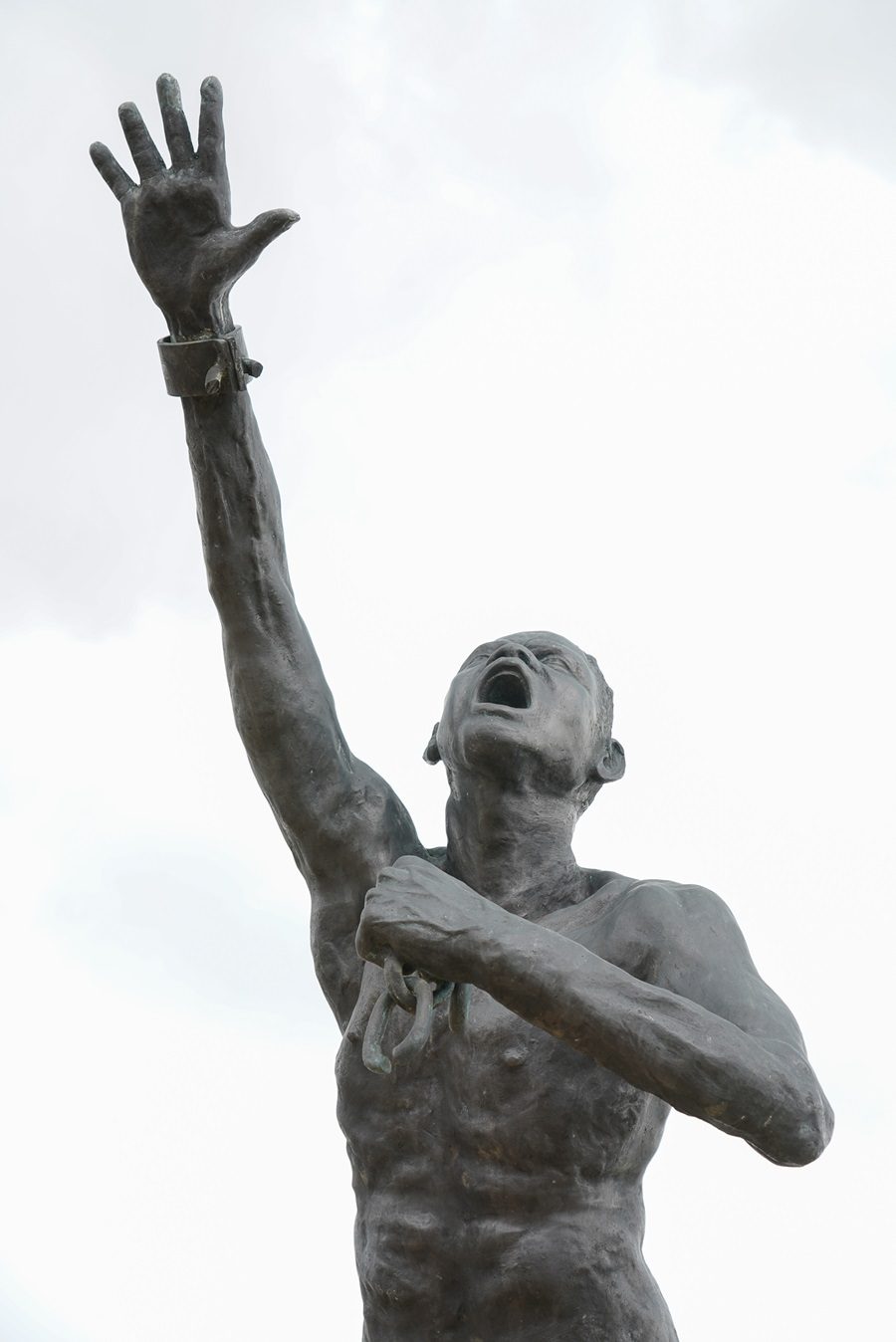
Benkos Biohó Statue

Benkos Biohó Statue

A prominent monument dedicated to the leader who founded the settlement as a sanctuary for escaped enslaved people. It stands as the focal point of the village's resistance narrative.

Observe the details of the sculpture from the surrounding plaza.
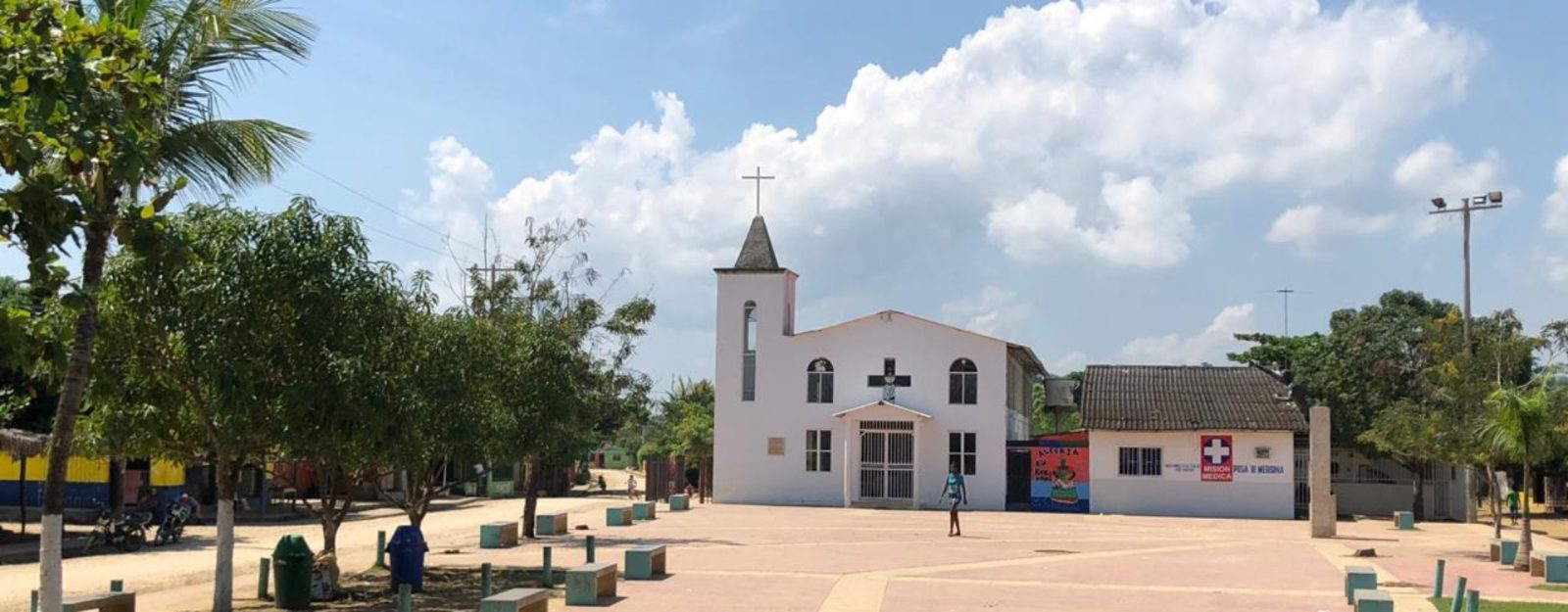
Village Drum Plaza

Village Drum Plaza

This central area serves as the heart of community life, where musical traditions and social gatherings occur. It is the primary place to witness the percussion rhythms central to Palenquero culture.

Visit during the morning to hear local drummers practicing.

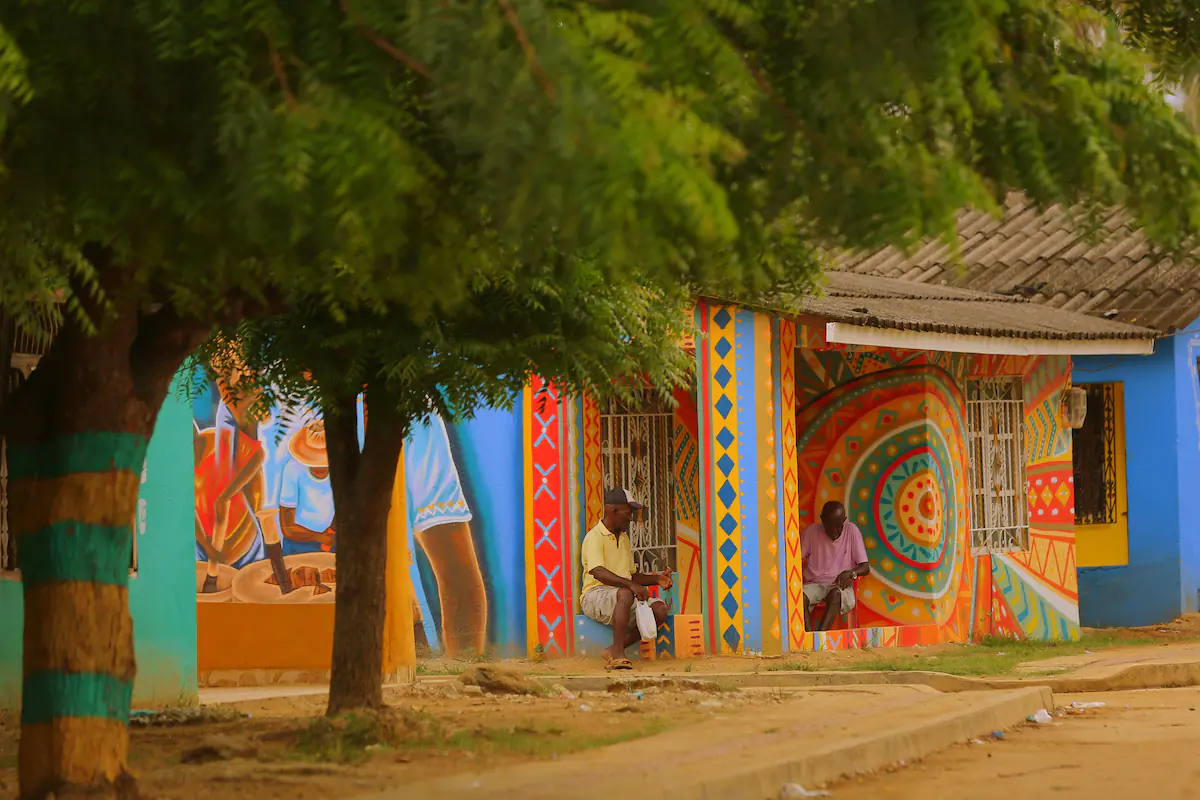
Palenque Mural Art

Palenque Mural Art

Numerous exterior walls throughout the village feature colorful murals depicting scenes of African heritage and local folklore. These artistic expressions document the history and values of the residents.

Walk the secondary streets to find murals near the outskirts.

Community Cultural Centers

Community Cultural Centers

These local spaces are where community leaders share information about the Palenquero language and ancestral customs. They act as educational hubs for those interested in the preservation of heritage.

Engage with local guides to access these cultural spaces.

History

Contextual History: Is Palenque Worth Visiting for Heritage?

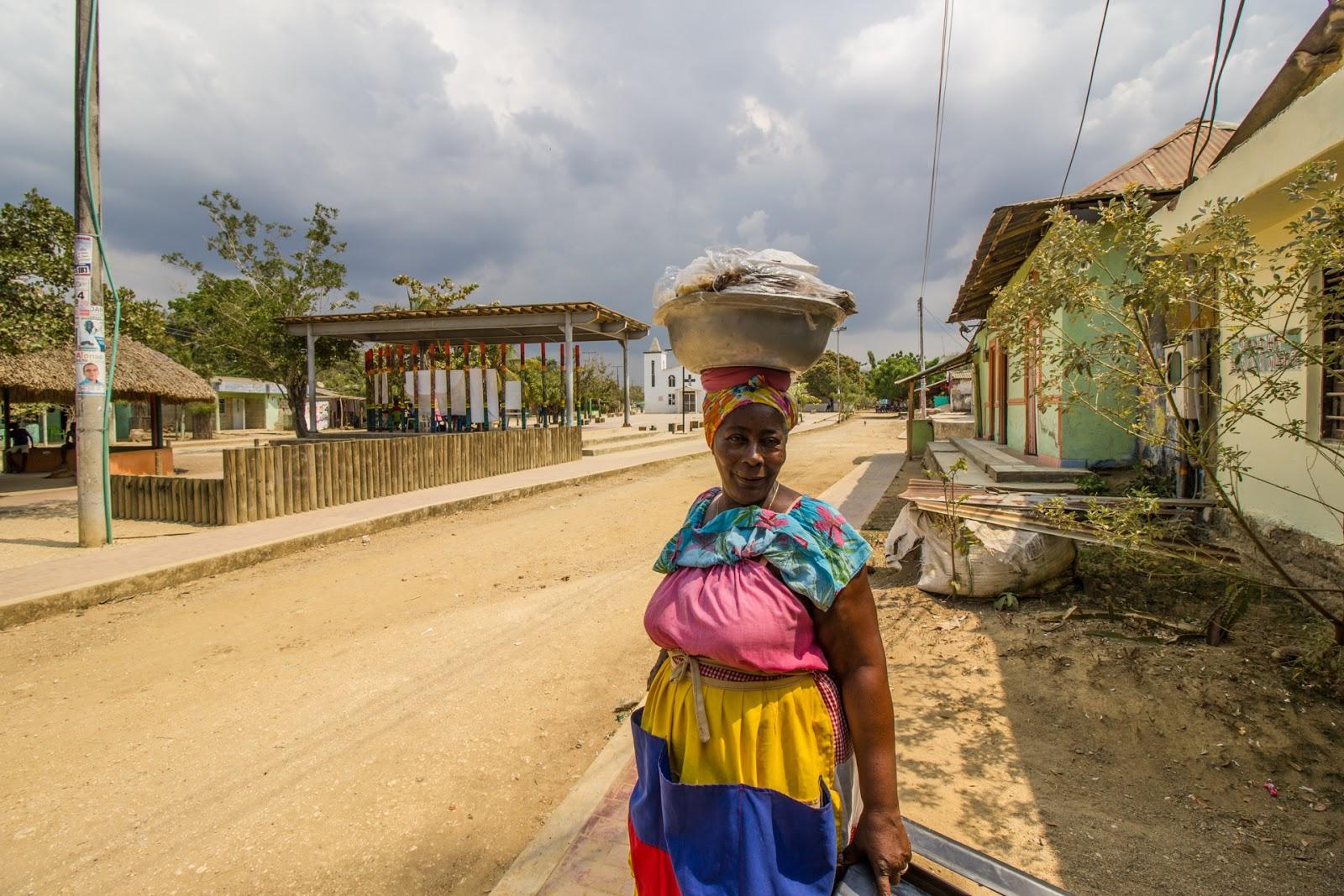
San Basilio de Palenque was founded in the early seventeenth century by enslaved Africans who escaped Spanish colonial plantations. The settlement took its name from Benkos Biohó, a leader from present-day Guinea-Bissau who organized resistance networks across the Cartagena region before his capture and execution in 1621. The term *palenque* itself designated fortified maroon communities throughout Spanish America. By 1691, the Spanish crown signed a royal decree recognizing the village's autonomy, making it the first legally free African settlement in the Americas. This formal acknowledgment allowed the community to govern itself and maintain African cultural practices without colonial interference. Throughout the eighteenth and nineteenth centuries, Palenque remained geographically isolated, which inadvertently preserved linguistic and ceremonial traditions that disappeared elsewhere in the Colombian Caribbean. Residents developed Palenquero, a Spanish-based creole language with Kikongo substrate, still spoken by elder generations today. The *ma kankamaná* mutual-aid societies, rooted in West African age-grade systems, continued to organize social life and dispute resolution. Coffee and cassava cultivation sustained the economy, while oral historians called *kuagro* transmitted genealogies and resistance narratives across generations. UNESCO inscribed San Basilio de Palenque as a Masterpiece of the Oral and Intangible Heritage of Humanity in 2005, then transferred it to the Representative List in 2008. This recognition centered on the community's preservation of African diasporic memory through language, music, and social structure. Visitors today walk streets where *palenquera* fruit vendors still balance produce trays in the traditional manner, where drumming patterns trace lineages to the Kongo Basin, and where the *casas de medicina* display herbal knowledge transmitted since the village's founding. The question of whether is Palenque worth visiting for heritage depends on interest in living history rather than reconstructed monuments. Cultural demonstrations and Palenquero language workshops offer direct engagement with traditions that survived four centuries of isolation and recent modernization pressures.

Early 1600s

Benkos Biohó establishes the settlement after escaping enslavement in Cartagena.

1621

Spanish authorities capture and execute Benkos Biohó in Cartagena's main plaza.

1691

Spanish crown issues royal decree granting legal autonomy to San Basilio de Palenque.

18th–19th c.

Geographic isolation allows preservation of Palenquero language and African ceremonial practices.

1954

Colombian government formally recognizes the village as a legal municipal entity.

2005

UNESCO designates San Basilio de Palenque as Masterpiece of Oral and Intangible Heritage.

2008

The site transfers to UNESCO's Representative List of Intangible Cultural Heritage of Humanity.

Insider tips

Practical Advice: Is Palenque Worth Visiting Safely?

Navigating San Basilio de Palenque requires an approach centered on respect for its status as a living community rather than a traditional tourist site.

1

Hire a local guide upon arrival to facilitate introductions and provide context that is otherwise unavailable to independent visitors. This direct support keeps tourism revenue within the village economy.

Respect photographic boundaries

2

Always ask for permission before taking photographs of residents or their homes. Many locals value their privacy and prefer to be asked rather than treated as subjects for photography.

Purchasing artisan goods

3

Buy crafts directly from the artisans in their workshops or stalls. This ensures you receive authentic items and the full purchase price goes directly to the creator.

Manage expectations

4

Understand that San Basilio de Palenque operates at a pace set by its residents, not by visitor schedules. Expect a low-key, authentic atmosphere rather than a polished, commercialized experience.

Language sensitivity

5

Acknowledge the unique Palenquero creole spoken here as a core pillar of the community identity. Attempting to learn a few basic words shows appreciation for the village heritage.

Support local dining

Opening hours

Operational Schedule: Is Palenque Worth Visiting Today?

San Basilio de Palenque is a living village and public space accessible to visitors at all times. While the community remains open 24/7, visitors are encouraged to plan their arrival within the established daylight window to engage with local activities.

Monday
00:00–23:59
Tuesday
00:00–23:59
Wednesday
00:00–23:59
Thursday
00:00–23:59
Friday
00:00–23:59
Saturday
00:00–23:59
Sunday
00:00–23:59
As this is a public residential village, there is no formal gate, ticketed entry, or defined last-admission time.
Directions

Arrival Logistics: Is Palenque Worth Visiting via Cartagena?

San Basilio de Palenque is located in the Mahates municipality of Bolívar, approximately 60 kilometers southeast of Cartagena. The most straightforward approach for visitors is via a private transfer or a pre-arranged excursion from Cartagena.

Car 75–90 min —

Route 90 (Troncal del Caribe) toward Mahates

Taxi 75–90 min —

Route 90 from Cartagena to San Basilio de Palenque

Bus 120–150 min —

Bus from Terminal de Transportes de Cartagena to Mahates junction, then local transport

For visitors utilizing private transport, coordinating with a local guide ahead of time ensures a seamless entry into the village. Arriving between 08:00 and 14:00 allows sufficient time to engage with community members before the return journey.

Book

Check availability

Frequently asked

Common Questions: Is Palenque Worth Visiting?

Everything you need to know about is palenque worth visiting

Is Palenque worth visiting for international travelers?

Determining if Palenque is worth visiting depends on your interest in Afro-Colombian history and traditions. It serves as a significant UNESCO heritage site that offers deep insights into the first free town in the Americas. Many travelers find that learning about the local language and drum rhythms makes the journey highly rewarding.

What makes this San Basilio de Palenque trip unique?

The village is recognized as a cultural landmark where residents preserve ancestral customs daily. You can experience authentic food, listen to traditional music, and learn about the local legacy of resistance. Exploring these unique streets ensures that asking if Palenque is worth visiting results in a firm yes for culture seekers.

Do I need to pay an entrance fee to see the village?

There is no cost for admission as this is a living village, not a gated attraction. The entrance fee is 0 COP for all visitors. Please respect that this is a residential community while you explore the local landmarks.

Is Palenque worth visiting if I only have one day?

Since you can complete the visit within a few hours, many find that Palenque is worth visiting even on a tight schedule. A morning arrival allows you to immerse yourself in the culture before heading back to Cartagena. This efficiency makes it a practical addition to your travel itinerary.

What is the best time window for my visit?

The best arrival window is 08:00–14:00 to experience daily life and return to Cartagena before dark. Visiting during these hours ensures you see the community at its most active. Planning your travel within this frame is recommended for the best experience.

Can I walk through the town on my own?

You are free to walk through the streets of this historic town at your own pace. Because it is a living village and not a fenced site, you can observe local life naturally. Some visitors prefer a guided tour to gain deeper context about the history of the town.

Keep reading

More guides & pages