Palenque Colombia Tour
Cultural Background

History of Palenque Colombia

Most visitors hear the headline first: a village of escaped Africans that won its freedom before anyone else in the Americas. The town behind that line is still standing, still farming, still speaking Palenquero near Mahates in Bolívar. This history of Palenque Colombia guide explains how the settlement formed, why its culture carries UNESCO recognition, and what that means for a visit.

13 min read Updated 2026-10-01 Fact-checked
History of Palenque Colombia

Quick answer

San Basilio de Palenque was founded by cimarrones, Africans who escaped the slave port of Cartagena, and the Spanish Crown's recognition of its autonomy made it the first free Black town in the Americas, with its Palenquero language and rituals inscribed by UNESCO in 2005. Entry to the town is free at 0 COP, open daily 00:00–23:59; guided cultural visits carry their own costs.

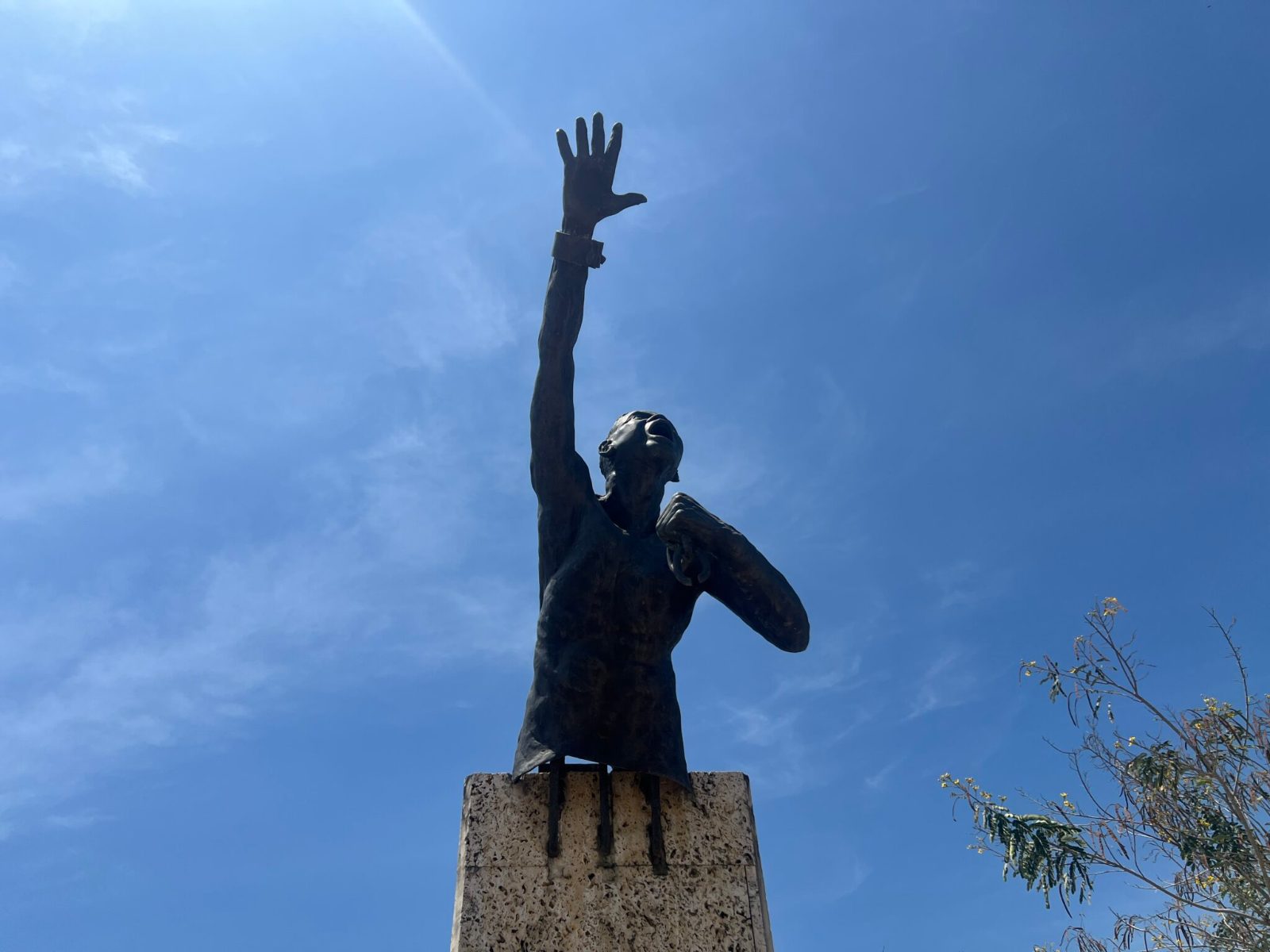
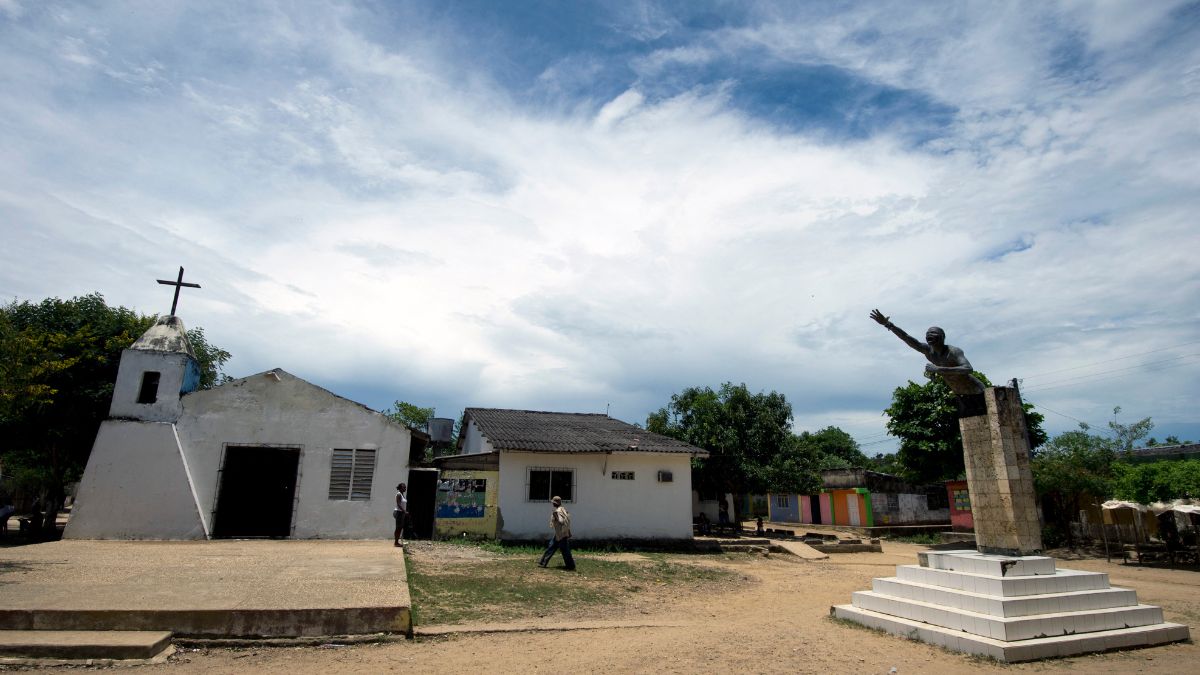
Palenquero, the language of San Basilio de Palenque, is the only Spanish-based creole in the Americas built on Kikongo grammar, and it is still spoken in households here. That detail explains why the history of Palenque Colombia draws linguists, historians and musicologists as often as it draws travellers. The settlement sits in the Montes de María foothills near Mahates, roughly an hour inland from Cartagena de Indias, and it grew out of cimarrón communities who fled the colonial port and later negotiated recognition of their freedom with the Spanish Crown. UNESCO inscribed that inheritance on its Intangible Cultural Heritage list in 2005. What visitors walk into is a working agricultural town, not a reconstruction of one. The cultural architecture matters more than any single date. Residents are organised into kuagros, age-based groups that share labour, celebrate together and carry obligations for life. Death is marked by lumbalú, a nine-night funeral rite sung in Palenquero to the pulse of the pechiche drum. Those drum patterns fed bullerengue and, later, the champeta that moved from these yards into Cartagena's sound systems. The town also produced Antonio Cervantes, the boxer known as Kid Pambelé, whose world title in 1972 put the name Palenque on front pages across the country. Visitors who read a San Basilio de Palenque history guide before arriving tend to recognise these threads in the first hour, rather than mistaking a rehearsal for a performance staged for them. Context changes what the place looks like on the ground. The main plaza holds a statue of Benkos Biohó, chains broken at the wrists, facing the street that leads to the Casa de la Cultura. Most interpretation happens through people rather than panels: community guides, drum and dance teachers, kitchen cooks and the palenqueras whose fruit bowls are familiar from Cartagena's old city. Conversation runs in Spanish, so travellers without it generally arrange a bilingual escort from the coast. Photography is welcome in public space and asked about indoors. A Palenque cultural tour booked with a resident guide keeps the money inside the village and gives the household hosting it a reason to keep teaching. Independent arrivals are possible, though nobody may be free to talk. Read the historia de San Basilio de Palenque as a civic record rather than a curiosity, and the practical decisions fall into place. The dedicated sections on this page carry the full schedule, entry conditions and the arrival window the community itself recommends; the point of the background is to tell a visitor what to ask once they are standing in the plaza. Ask about the kuagro of the person guiding, about who taught them the lumbalú songs, about which families still farm the hillside plots. Those questions land because the history of palenque colombia is not sealed in an archive; it is maintained, argued over and taught in the town each week. Travellers planning a day from the coast can compare community-led visits on the booking pages of this site, then return here for specifics.

“The past here is not sealed in an archive; it is maintained, argued over and taught in the town each week.”
History

Understanding the History of Palenque Colombia

Cartagena de Indias was chartered as a slaving port in 1533, and by the 1580s it ranked among the largest in the Spanish Americas. Captives arrived from Upper Guinea, Angola and the Congo basin. Escape followed. Around 1599 a man recorded as Benkos Biohó fled the port and crossed into the swamps and foothills south of the bay. The palisaded refuges he and others raised were called palenques. The history of palenque colombia turns on documents, not legend. In 1605 Governor Jerónimo de Suazo signed a truce with Biohó's community at La Matuna, conceding movement and arms. The peace held briefly. In 1621 Governor García Girón had Biohó hanged in Cartagena, the treaty disavowed. Spanish arms failed to erase the settlements. A royal decree issued in 1691 under Charles II granted liberty to the palenque's residents, though Cartagena's slaveholders obstructed it. The decisive accord came in 1713, brokered by Bishop Antonio María Casiani: autonomy in exchange for admitting no further fugitives. That accord is why San Basilio is cited as the first free town in the Americas. Bishop Diego de Peredo's diocesan report of 1772 listed the village by name, with its priest and its households, inside what is now Mahates in Bolívar. Isolation preserved it. Independence in 1821 changed little on the ground; Colombia abolished slavery only in 1851. When Antonio Cervantes, known as Kid Pambelé, took the world light welterweight title in 1972, national attention reached the village for the first time. In 2005 UNESCO proclaimed the Cultural Space of Palenque de San Basilio a Masterpiece of the Oral and Intangible Heritage of Humanity. What a visitor meets today is that inheritance in use, not in a vitrine: Lengua ri Palenge, the Spanish-Kikongo creole still spoken by roughly half the population; the lumbalú funeral rite sung over nine nights; the kuagro age-sets that organise work and obligation. A bronze Benkos Biohó stands in the plaza, arms broken from chains. Anyone tracing the history of palenque colombia on foot reads it here, in the living Bolívar landmark rather than in ruins.

1599

Benkos Biohó escapes the slave port of Cartagena de Indias and withdraws into the swamps south of the bay.

1605

Governor Jerónimo de Suazo signs a truce with the maroon community at La Matuna, conceding freedom of movement.

1621

Governor García Girón has Biohó hanged in Cartagena, repudiating the earlier agreement.

1691

A royal decree under Charles II grants liberty to the palenque's residents, but Cartagena's slaveholders block its enforcement.

1713

Bishop Antonio María Casiani brokers the accord recognising the settlement's autonomy under the name San Basilio.

1772

Bishop Diego de Peredo's diocesan report records San Basilio as an established village with priest and households.

1972

Antonio Cervantes 'Kid Pambelé' wins the world light welterweight title, drawing national attention to his home village.

2005

UNESCO proclaims the Cultural Space of Palenque de San Basilio a Masterpiece of the Oral and Intangible Heritage of Humanity.

Facts

Significant Cultural Facts Regarding the History of Palenque Colombia

San Basilio de Palenque serves as a vital repository of African heritage in the Americas, maintaining unique linguistic and social structures developed over centuries. These cultural pillars are recognized globally for their contribution to human history.

1.

Palenquero language preservation

Palenquero is the only Spanish-based creole language in the world that incorporates Bantu grammatical structures. It remains a primary form of communication among local residents and is taught in regional schools.

2.

2005 UNESCO designation

UNESCO proclaimed the Cultural Space of Palenque de San Basilio a Masterpiece of the Oral and Intangible Heritage of Humanity. This recognition highlights the community's efforts to preserve ancestral traditions and social organization.

3.

African funeral rites

The Lumbalú is a traditional funerary ritual practiced in the community that involves nine days and nights of singing and drumming. This practice honors the deceased and reflects ancestral traditions brought from the African continent.

4.

Benkos Biohó leadership

Historical accounts identify Benkos Biohó as the leader who escaped enslavement and organized the initial resistance against colonial authorities. His legacy is central to the identity of the community and its status as the first free town in the Americas.

5.

Herbal medicine traditions

The community maintains extensive knowledge of medicinal plants and natural healing techniques passed down through generations. These practices are often managed by local traditional healers who play a significant role in community health.

6.

Communal social structure

The Cuagro is a social organization system where individuals are grouped by age, fostering mutual support and cooperation within the town. This structure ensures that communal responsibilities and cultural practices are shared among all members.

What to see

Historical Landmarks Shaping the History of Palenque Colombia

Visitors to San Basilio de Palenque can engage with physical markers that symbolize the community's legacy of resistance and autonomy. These landmarks serve as focal points for understanding the cultural identity preserved within the village.

Benkos Biohó Statue

Benkos Biohó Statue

A prominent monument dedicated to the leader of the slave rebellion who founded the settlement. It stands as a central figure representing the struggle for freedom.

Visit during the morning to photograph the statue with soft light.

Community Center

Community Center

The hub for local gatherings and musical performances where traditional Palenquero culture is shared. It provides insight into the village's social organization and rhythmic traditions.

Engage with local guides here to learn about community initiatives.

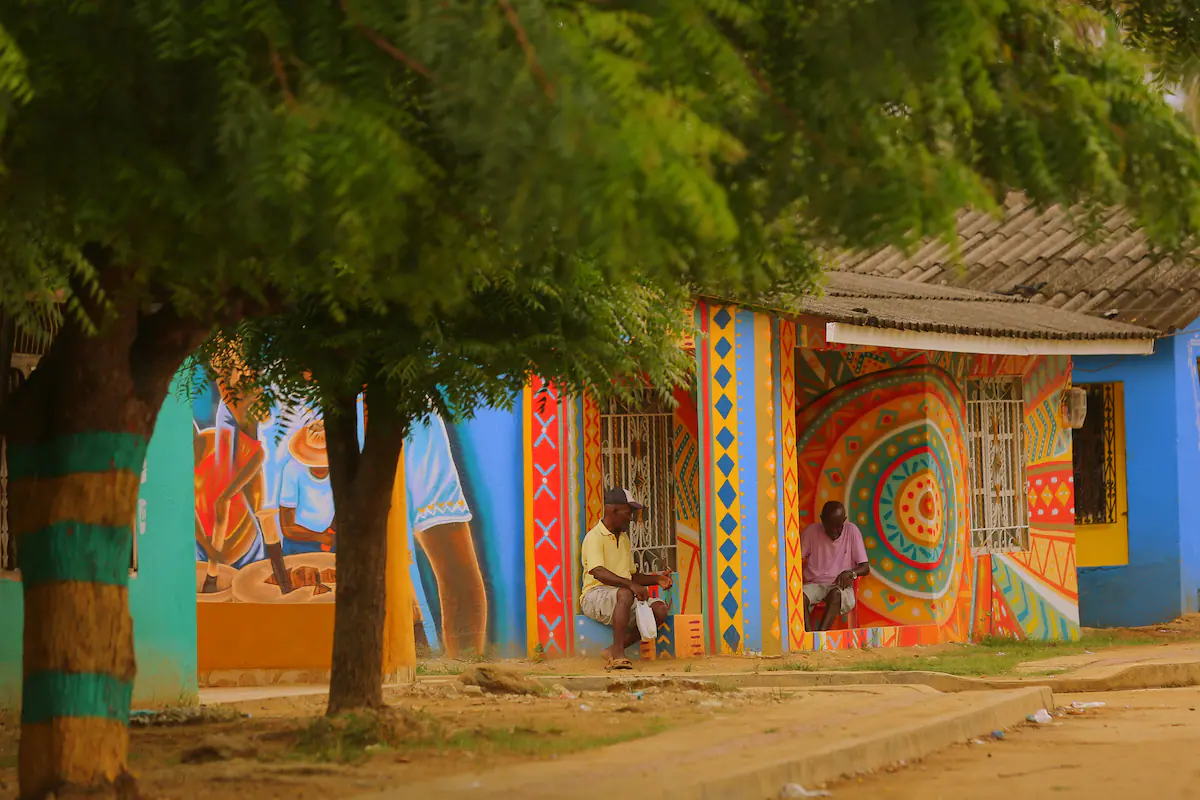
Afro-Colombian Musical Heritage Mural

Afro-Colombian Musical Heritage Mural

A series of wall art depicting the history of the town and its connection to African roots through dance and percussion. These murals are located throughout the central pathways.

Walk the side streets to find murals near the main square.

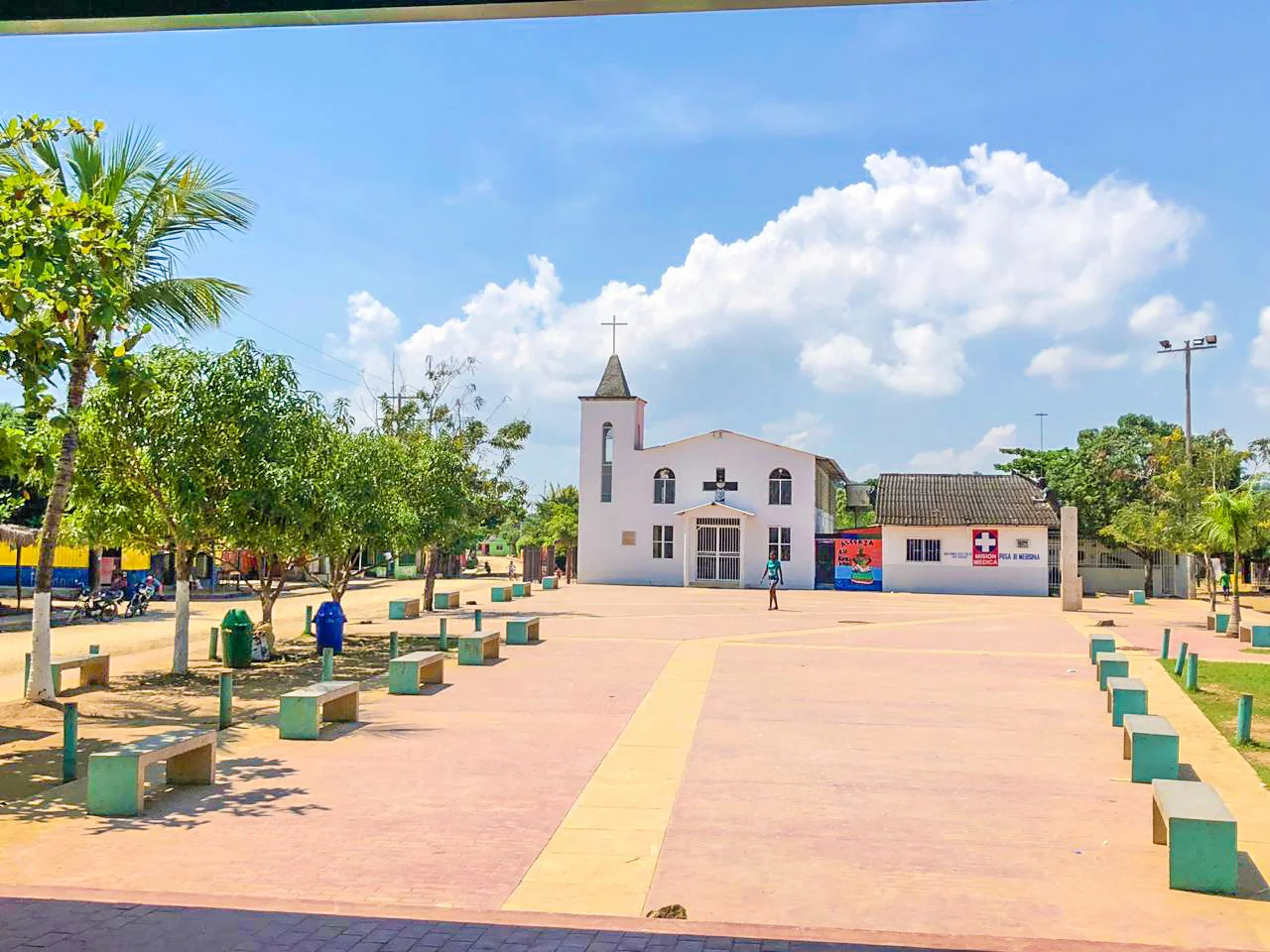
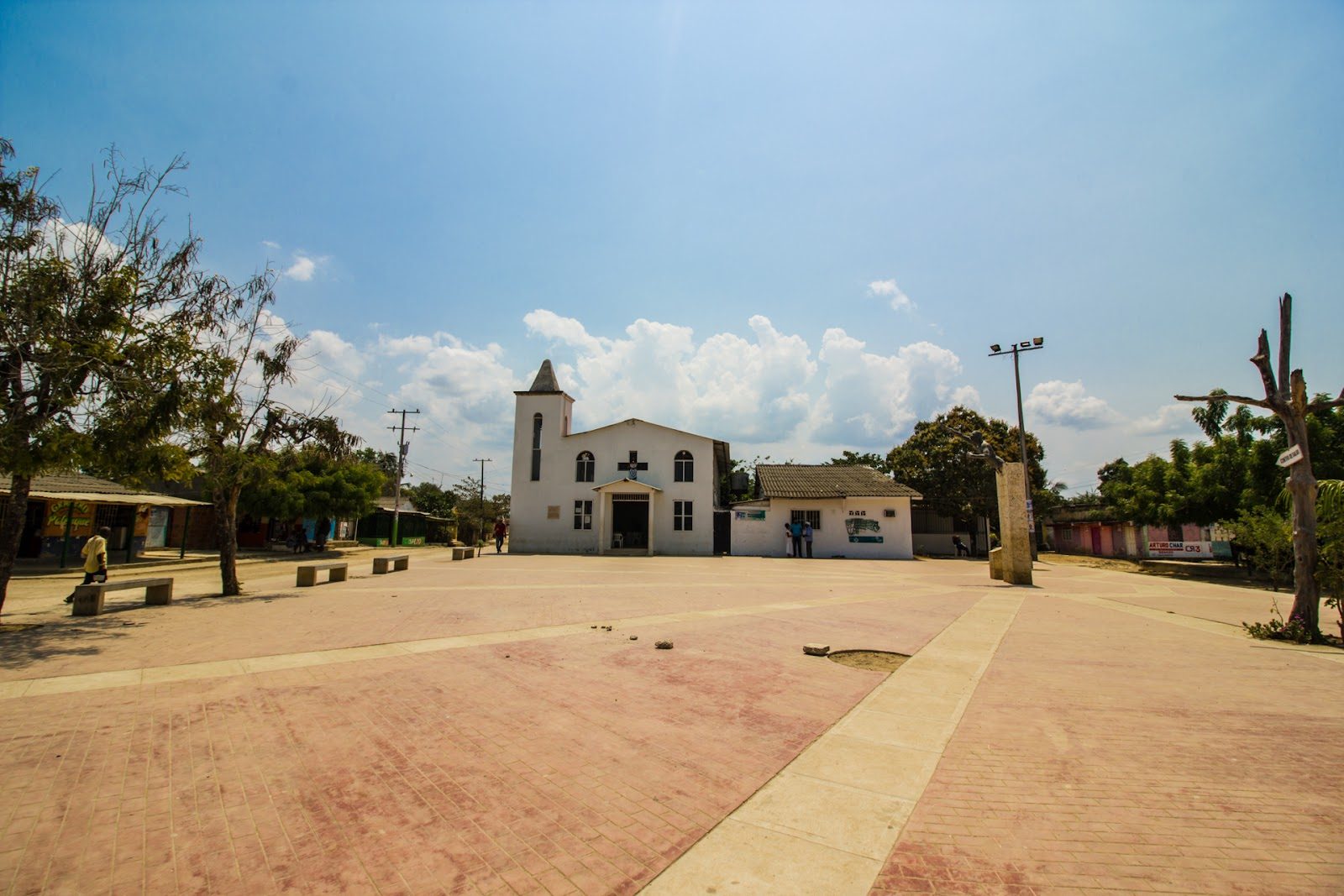
Church of San Basilio

Church of San Basilio

The religious center of the town, serving as a site for community ceremonies and significant cultural events. It reflects the intersection of African traditions and colonial influence.

Observe the architecture from the square during the mid-day hours.

Timing

The Best Time for Experiencing the History of Palenque Colombia

The optimal window for visiting San Basilio de Palenque is between 08:00 and 16:00, ensuring favorable natural light and greater availability of community members for cultural exchanges. Planning your arrival within this daily timeframe allows for a more substantive engagement with the local traditions and history.

Weekday mornings

Low to moderate

—

Arriving early helps avoid the peak midday heat and aligns with the typical activity cycles of community residents.

Dry Season (Dec–Mar)

Moderate

Warm and breezy; 25°C–32°C

Clear conditions facilitate comfortable walking tours throughout the historic site.

Rainy Season (Apr–Nov)

Low

Humid with frequent rain; 24°C–31°C

Visitors often find smaller crowds, though travel plans should account for intermittent tropical showers.

Verdict: The best opportunity for an immersive visit is between 08:00 and 16:00 on any weekday during the drier months of December through March.

Opening hours

Daily Access for the History of Palenque Colombia

San Basilio de Palenque is a living community accessible to visitors at all times. While the town remains open 24 hours a day, we recommend planning your visit during daylight hours for the best experience.

monday
00:00–23:59
tuesday
00:00–23:59
wednesday
00:00–23:59
thursday
00:00–23:59
friday
00:00–23:59
saturday
00:00–23:59
sunday
00:00–23:59
There is no formal last-entry time, though the optimal arrival window is 08:00–16:00 to engage with community members.
Prices

Entry Fees and the History of Palenque Colombia

San Basilio de Palenque operates as a public town with no cost for entry. Visitors may choose to hire local guides or participate in organized cultural activities, which function as private services with independent fees.

Public Entry Town is open to the public
0 COP
Guided Cultural Tour Service arranged directly with community members
Individual cost
Cultural Workshops Fee varies based on specific activity selected
Individual cost
Entrance to the town of San Basilio de Palenque is free for all visitors at all times.

Verdict: An adult pays 0 COP for general entry, with total costs depending solely on the specific tours or cultural experiences they choose to arrange locally.

Book

Check availability

Frequently asked

Common Questions About the History of Palenque Colombia

Everything you need to know about history of palenque colombia

What is the historical significance of San Basilio de Palenque?

San Basilio de Palenque is recognized as the first free town in the Americas for enslaved Africans, established in the 17th century. This community became a beacon of resistance and cultural preservation, maintaining unique linguistic and ancestral traditions. Today, this location is celebrated as a UNESCO Masterpiece of the Oral and Intangible Heritage of Humanity. You can explore the history of palenque colombia by visiting the village and engaging with its inhabitants.

Do I need to pay to enter the village?

Entry to the public town is 0 COP. Tours are optional and carry individual costs, which support local guides and community initiatives. There are no mandatory ticket tiers or entrance fees for accessing the streets and public spaces.

Is the history of palenque colombia preserved in the community?

Yes, the community actively maintains its African roots, including the Palenquero language and musical traditions. Educational efforts and cultural exchanges help ensure that the history of palenque colombia remains vibrant for future generations. Visitors are encouraged to respect local customs and participate in community-led cultural workshops.

When is the best time to visit for a cultural experience?

The best arrival window is 08:00–16:00 to ensure optimal light for photography and the best availability of community members for cultural interactions. This timeframe allows you to fully appreciate the village atmosphere and historical landmarks during daylight hours.

Are there guided tours available to learn about the heritage?

Guided tours are available and highly recommended to provide context to the local customs and historical narrative. These tours allow visitors to connect directly with residents who share personal stories related to the history of palenque colombia. You can find local guides at the entrance or via pre-arranged cultural visits.

What should visitors know about the history of palenque colombia before arriving?

Visitors should understand that this is a living community, not a static museum. It is important to approach interactions with respect for the local African-descended culture and the significant legacy of freedom established here. Planning your visit allows you to focus on the cultural landmarks and oral traditions that define this space.

Is the site open for visitors every day?

The site is accessible every day of the week, with hours from 00:00–23:59. While you may arrive at any time, sticking to the recommended daylight window ensures a better experience with the community.

Keep reading

More guides & pages