
English| USD
Suggested for you
More currencies
Choose a language
San Basilio de Palenque sits inland from the Caribbean coast in the municipality of Mahates, reached by road and signposted barely at all. This how to visit Palenque guide covers the routes travellers use from Cartagena, the arrival methods that work, and why the morning window matters in a UNESCO-recognised village where Lengua Palenquera is still the everyday tongue.
Quick answer
Travel overland to San Basilio de Palenque, Mahates, Bolívar, Colombia, and arrive between 08:00 and 12:00. The village itself has no gate: entry is free at 0 COP, and streets are open 00:00–23:59 every day. Most visitors hire a local guide for a fee, since houses, yards and oral history are not self-explanatory.
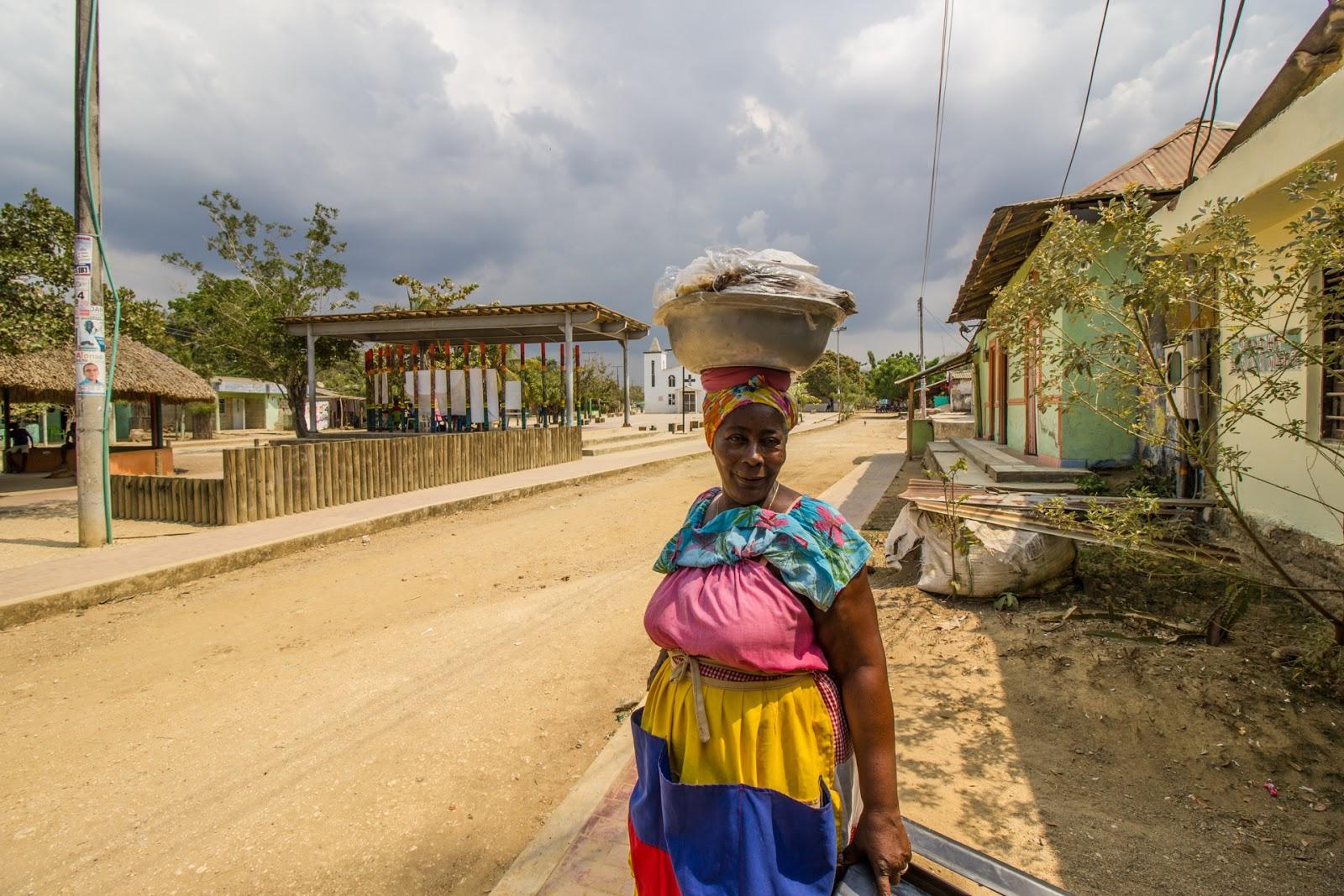
The Spanish crown stopped fighting this village in 1713 and recognised its freedom instead. San Basilio de Palenque was founded by people who escaped slavery in the port of Cartagena de Indias, in the lineage of the maroon leader Benkos Biohó, and it is widely described as the first free Black town in the Americas. Travellers asking how to visit Palenque are therefore not planning a monument stop. The address is a living community inside the municipality of Mahates, Bolívar, set against the low hills of the Montes de María. UNESCO proclaimed the village's oral and intangible culture a Masterpiece of Humanity in 2005, and the listing explains what a visit actually consists of. Lengua Palenquera, the Spanish-based creole carrying African grammar, is still spoken between neighbours. Drum patterns on the pechiche and llamador anchor funeral rites, lumbalú singing and the champeta that travelled from here to Cartagena's sound systems. Social life runs through kuagros, the lifelong age-based groups that organise work and celebration. None of this sits behind a turnstile. There is no ticket office on the Plaza de Benkos Biohó, only a bronze figure of the man himself with broken chains, the Casa de la Cultura nearby, and a paved access road climbing from the Cartagena–Barranquilla highway. That absence of infrastructure is why a San Basilio de Palenque cultural tour is normally arranged with resident guides rather than improvised on arrival. The practical consequence is that timing and permission matter more than tickets. Mornings are when the village is awake and working: bread ovens, school yards, drum rehearsals, palenqueras loading enamel basins of fruit, before the afternoon heat flattens the streets. Photography of people, houses and ceremonies is a matter of consent, asked for directly, and payment for guiding is the normal exchange for access to that detail. Visitors who treat the day as cómo llegar a Palenque plus a quick walkabout tend to leave with postcards; those who book a guided itinerary in advance get the genealogy, the language lesson and the kitchen. Dedicated sections of this guide set out the road options, the fee structure, the opening pattern and the on-the-ground etiquette in full. Read those before deciding how to visit Palenque, then fix the arrival time first and build the rest of the day around it.
“Palenque's freedom was conceded rather than granted, and a visit there is still arranged person to person, not at a ticket window.”
San Basilio de Palenque is located in the Mahates municipality of Bolívar, Colombia, approximately 60 kilometers southeast of Cartagena. The most direct approach is via private transport or regional bus services traveling along the Troncal del Caribe highway.
Transporte Cartagena to San Basilio de Palenque (via Mahates)
Private hire from Cartagena city center
Route 90 (Troncal del Caribe) towards Mahates
Plan your arrival to fall within the 08:00–12:00 window to benefit from morning cultural activity and avoid the peak afternoon heat. Upon arrival, visitors often coordinate with local community leaders to secure a local guide.
The best arrival window is 08:00–12:00 to engage with local cultural activities and avoid peak afternoon heat in San Basilio de Palenque. Visiting during this morning block allows for a more focused experience before temperatures rise.
—
Ideal for quiet observation of daily village life and cultural activities.
Dry and breezy with highs near 31°C
These months offer the most comfortable climate for walking tours.
Occasional rain with highs near 32°C
The rainy season brings lower crowds but necessitates preparation for potential showers.
Verdict: Plan your visit between 08:00–12:00 during the drier months of December to March for the most favorable conditions.
San Basilio de Palenque is a living community accessible to visitors daily throughout the week.
Successful navigation of San Basilio de Palenque requires preparation to respect the autonomy and traditions of this historic community.
Community members, particularly the palenqueras, appreciate being asked for permission before you take their photo. A polite request fosters better interaction and respect for their daily life.
Purchase traditional sweets or crafts from community-run stalls rather than external vendors. This ensures your contribution stays within the local economy and supports traditional practices.
Hiring a community member is the most effective way to understand the linguistic and cultural nuances of the village. They provide context that independent exploration cannot replicate.
You will hear Palenquero spoken throughout the village; while Spanish is common, acknowledging the importance of their native creole shows cultural sensitivity. Do not expect every resident to engage in extensive conversation.
Local shops and vendors often lack electronic payment systems or change for large bills. Having smaller denominations allows you to make purchases for water or snacks without difficulty.
Everything you need to know about how to visit palenque
There is no official entry fee (0 COP) for the town itself, though it is standard practice to hire a local guide for a fee to support the community. This contribution ensures you have an authentic experience while respecting the residents of this historic site.
You can learn how to visit palenque by arranging private transport from Cartagena or using public buses from the city terminal. Many travelers choose pre-arranged excursions that include seamless door-to-door transfer services.
The best arrival window is 08:00–12:00, which is ideal for morning cultural tours and helps you avoid the intense peak afternoon heat. Arriving during these hours allows for a more comfortable exploration of the village streets and monuments.
While independent travel is possible, most visitors opt for a local Palenquero guide to truly understand the history and significance of this first free city. Booking a guided experience is highly recommended to ensure you engage properly with the community and its traditions.
The site is open every day from 00:00–23:59, allowing for flexibility in your itinerary. However, we advise planning your visit within the optimal morning window to maximize your time in the village.
Yes, families can explore this unique location as part of their Colombia landmarks itinerary. We recommend choosing a private, comfortable transport option to ensure the journey remains pleasant for everyone involved.